A Rare Spode Stool: A Tribute to Ashanti Tradition
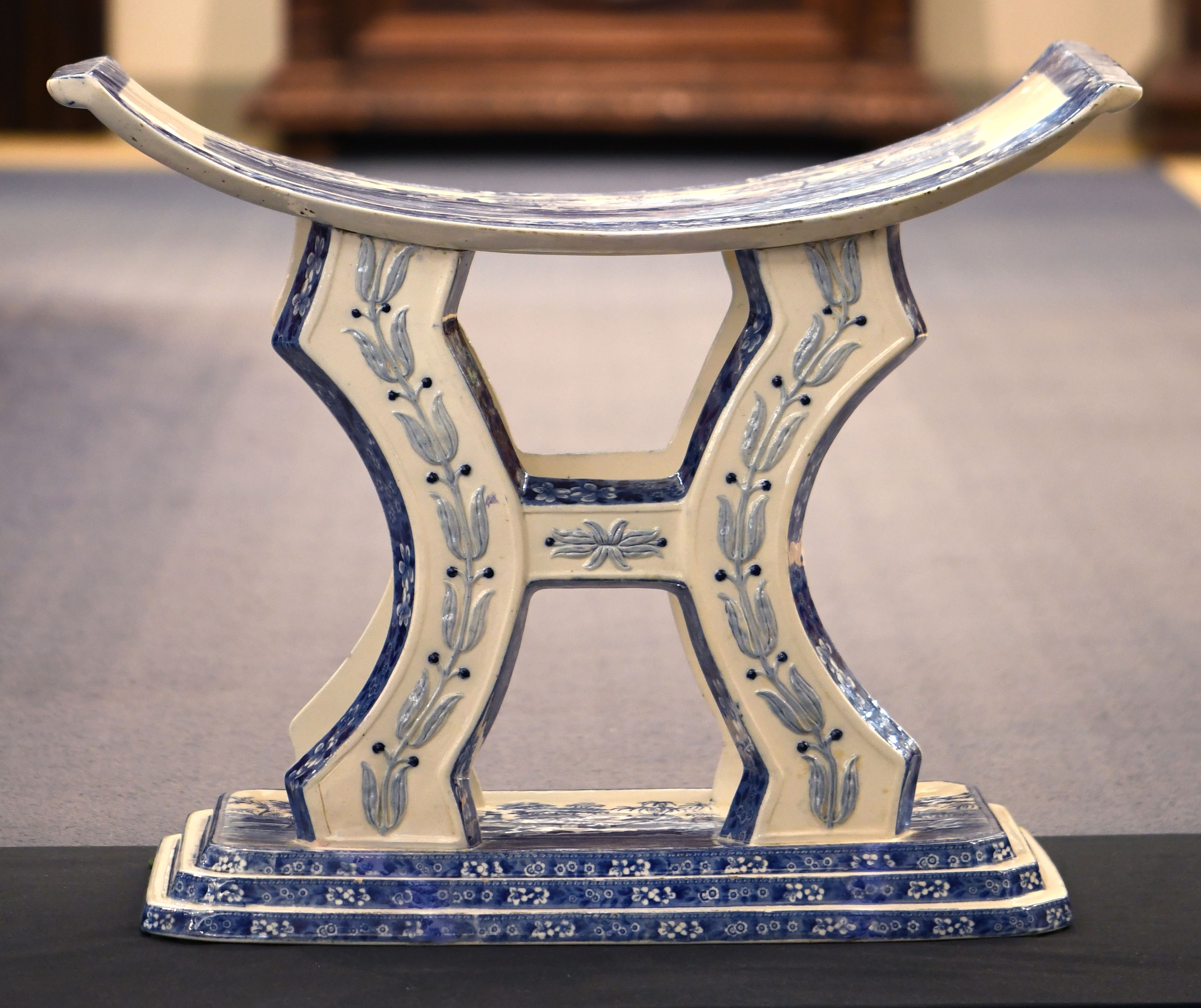
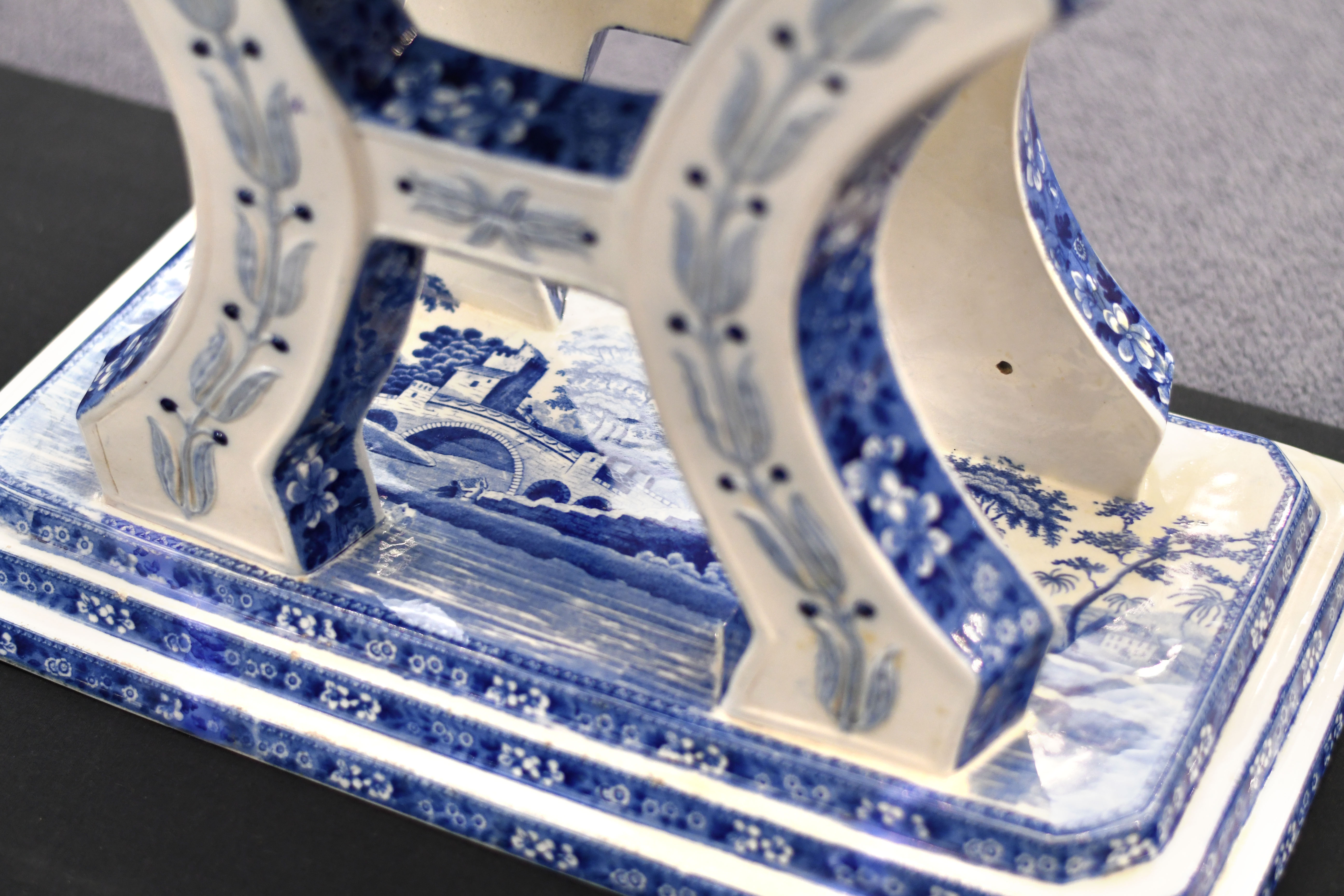
This exceptional Spode stool, crafted around 1900 in the Tower-Blue pattern, offers a unique blend of history and artistry. Inspired by the "Views of Rome and Its Vicinity" by Merigot, the Tower pattern features the iconic Bridge of Salaro, a landmark still standing today. Discontinued in 2005, this stool is a testament to Spode's rich heritage.
Measuring 22 ½" wide by 17 ¾" tall, the stool pays homage to the Ashanti tribe of Ghana. Designed to commemorate the suppression of the Ashanti by the British in 1900, it echoes the stools used by the Ashanti people.
The Ashanti Empire, established in the late 17th century, holds a deep reverence for stools. The "Golden Stool," the royal throne of the Ashanti king, is a symbol of their unity and is believed to have descended from the heavens. Stools are integral to Ashanti life, passed down through generations, used in ceremonies, and even believed to hold the owner's soul.
The "War of the Golden Stool" in 1900, sparked by the British Governor's demand to sit on the sacred stool, led to the annexation of Ashanti. Today, the Golden Stool remains a revered symbol, housed in the Asante Royal Palace in Kumasi, Ghana.
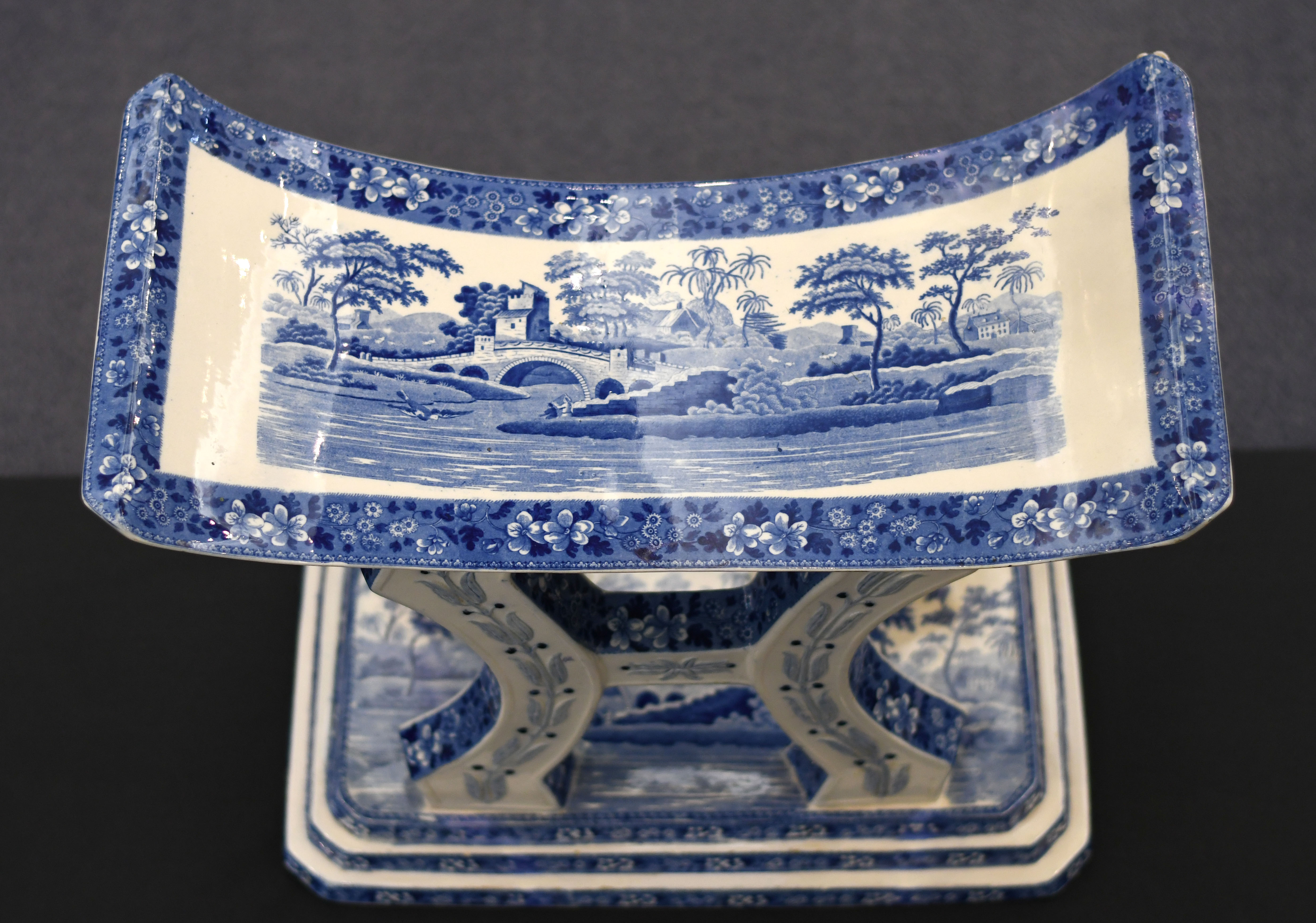
This Spode stool, a fusion of European design and African tradition, offers a tangible connection to a rich and complex history.